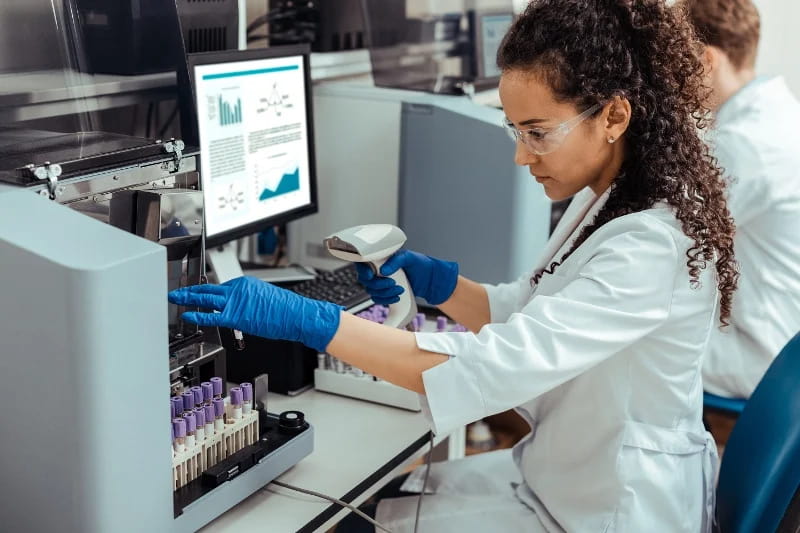
Gas chromatography (GC) is a fundamental analytical technique that plays a pivotal role in various scientific fields, including environmental monitoring, food safety, and forensic analysis. However, like any precision instrument, your GC system needs consistent care and maintenance to deliver accurate results. Neglecting gas chromatography maintenance and repair can lead to poor performance, frequent breakdowns, and costly repairs. In this article, we will delve into five crucial tips for ensuring that your gas chromatography system operates at its best.
Routine Inspection and Cleaning
Regular inspection and cleaning are the cornerstones of effective gas chromatography maintenance. Your GC system comprises various critical components, such as the column, injector, detector, and associated tubing. These components are susceptible to contamination, blockages, and wear over time. To maintain peak performance, make the following practices a part of your routine:
A. Column Care: The GC column is at the heart of the separation process. Inspect it regularly for blockages, leaks, or signs of wear. Replacing the column as needed is essential to maintain optimal separation performance. Store columns correctly, following the manufacturer’s recommendations, to prevent contamination.
B. Injector Maintenance: Pay close attention to the injector, which can be a common source of sample carryover and contamination. Regularly inspect and clean the sample path. Check for worn or damaged seals and replace them to prevent leaks.
C. Tubing and Fittings: Examine tubing and fittings for leaks, wear, or damage. Loose connections should be tightened, and damaged parts replaced promptly. Using high-quality, inert materials can minimize chemical interactions and reduce sample loss.
D. Detectors: Keep your detectors clean and well-maintained to ensure accurate results. Periodically inspect and clean the detector’s flow cell. Regularly replace it when necessary. Perform wavelength and sensitivity checks in accordance with the manufacturer’s guidelines.
Create and Stick to a Maintenance Schedule
Preventing unexpected breakdowns and maintaining consistent performance is all about setting up a well-structured maintenance schedule. The frequency of maintenance tasks can vary based on usage and the type of analysis performed. Some components may require daily or weekly attention, while others may only need servicing annually. Here’s how you can create a comprehensive maintenance schedule:
A. Task List: Develop a list of maintenance tasks specific to your GC system. This list should include activities like cleaning, calibration, and replacement of worn parts.
B. Frequency: Determine how often each task should be performed. Tasks should be categorized as daily, weekly, monthly, quarterly, and annually.
C. Record Keeping: Maintain detailed records of your maintenance activities. This documentation helps track the system’s history and performance. These records can be invaluable for identifying trends and diagnosing problems.
Utilize High-Quality Consumables and Gases
The quality of consumables and gases directly impacts your GC system’s performance. Using subpar consumables or contaminated gases can lead to system fouling, increased maintenance needs, and unreliable results. To ensure top-tier performance, follow these guidelines:
A. Gas Quality: Use high-purity carrier gases and detector gases. Contaminated gases can introduce impurities and negatively affect results. Regularly check the gas supply for leaks, pressure fluctuations, and impurities.
B. Consumables: Invest in top-quality consumables, including syringe filters, septa, and sample vials. Low-quality consumables can introduce impurities and disrupt your analyses.
C. Gas Lines: Regularly inspect the gas lines for leaks, and replace any compromised connections. Ensure that the gas lines are properly maintained and free from contaminants.
Continuous Training and Education
GC technology is continuously evolving, and staying informed about the latest advancements and best practices is vital for your system’s maintenance and optimization. Engage with industry publications, attend conferences, and take advantage of training programs provided by the manufacturer. By staying updated, you can fine-tune your system and guarantee its longevity.
Additionally, ensure your team is well-versed in GC techniques and maintenance procedures. Periodic training sessions can help your staff become proficient in handling the system, identifying issues, and conducting routine maintenance tasks. A knowledgeable team can spot problems early, reducing the risk of extensive damage and expensive repairs.
Qualification and Validation Checks
System qualification and validation are essential processes to confirm that your gas chromatography system consistently delivers precise and dependable results. Periodically conduct system suitability tests, calibration checks, and performance verifications to ensure that your system operates within specified parameters. Key aspects to consider include:
A. Calibration and Standardization: Regularly calibrate and standardize your system using suitable standards and reference materials. This will ensure that the system’s detectors and measurements are accurate and reliable.
B. System Suitability Tests: Before every analysis, carry out system suitability tests to confirm that your system is operating within acceptable limits. This includes verifying parameters like resolution, peak symmetry, and tailing factors.
C. Method Validation: Validate your analytical methods to ensure they meet the necessary criteria for precision, accuracy, and sensitivity. Method validation is essential for regulatory compliance and ensuring the quality of your results.
Maintaining your gas chromatography system is paramount for obtaining precise and reliable analytical results. Neglecting maintenance can lead to frequent downtime, diminished data quality, and costly repairs. By adhering to the five essential tips outlined in this article, you can extend the life of your gas chromatography system and ensure it operates at peak performance. Regularly inspect and clean components, establish a structured maintenance schedule, use high-quality consumables and gases, invest in training, and conduct qualification and validation checks. Implement these practices into your laboratory’s daily routine, and your gas chromatography system will be a trusted workhorse for years to come.
Did you find this article helpful? You can check out our website for more awesome content like this.
Read Also
- Innovative Technologies in Oncology: The Future of Cancer Treatment
 Have you ever wondered how far cancer treatment has come in recent years? Advances in technology are making a real difference in the fight against cancer. Today, more people are living longer and healthier lives after a cancer diagnosis. This is all thanks to new and groundbreaking medical advancements. The future of cancer care looks… Read more: Innovative Technologies in Oncology: The Future of Cancer Treatment
 - Cloud-Based Healthcare Administration Solutions: A Guide for Payers, TPAs, and Provider NetworksHealthcare administration has become too complex for disconnected spreadsheets, aging on-premise applications, and manual handoffs between departments. Organizations need technology that can manage claims, enrollment, billing, provider relationships, and member data as connected parts of the same operation. MCSI – Visova is one example, offering a cloud-native vpaas designed to support HIPAA-compliant healthcare administration. Its… Read more: Cloud-Based Healthcare Administration Solutions: A Guide for Payers, TPAs, and Provider Networks
- How Intelligent Invoice Processing Is Reshaping Healthcare AP WorkflowsWhat happens when healthcare invoice volumes outpace the AP team’s ability to review, validate, and route them, while cost per invoice keeps rising? That gap is pushing finance leaders past basic digitization. Supplier invoices across formats, systems, departments, and approval paths, and holding speed, accuracy, compliance, and visibility together gets harder at scale. Intelligent invoice… Read more: How Intelligent Invoice Processing Is Reshaping Healthcare AP Workflows
- From 1905 to 2026: How German Legacy Manufacturers Power Deutsche Dental Technologien’s SuccessFrom 1905 to 2026: How Busch & Co.’s Legacy Powers Deutsche Dental Technologien’s Success In an era where dental technology advances at breakneck speed, few companies embody the perfect blend of historic craftsmanship and modern business agility quite like Busch & Co. and its strategic partner Deutsche Dental Technologien. What began as a small dental bur factory in… Read more: From 1905 to 2026: How German Legacy Manufacturers Power Deutsche Dental Technologien’s Success
- Why the Future of Healthcare Administration is Cloud-NativeThe operational demands placed on modern healthcare administrators have officially outpaced the capabilities of traditional IT infrastructure. While clinical medicine continues to advance at breakneck speed, the back-office systems required to support it often remain painfully stagnant. Today’s insurers, Third-Party Administrators (TPAs), and provider networks are forced to navigate an avalanche of daily claims, aggressive… Read more: Why the Future of Healthcare Administration is Cloud-Native